The Allure of Gambling
The psychology behind gambling is a complex interplay of emotions, motivations, and cognitive processes. At its core, gambling offers the thrill of chance, providing an escape from the routine of daily life. This allure is deeply embedded in human nature, as individuals seek both excitement and the hope of winning. The potential for high rewards, combined with the uncertainty of the outcome, triggers a rush of adrenaline that many find irresistible. For those interested in learning more about this fascinating topic, you can find out more here.
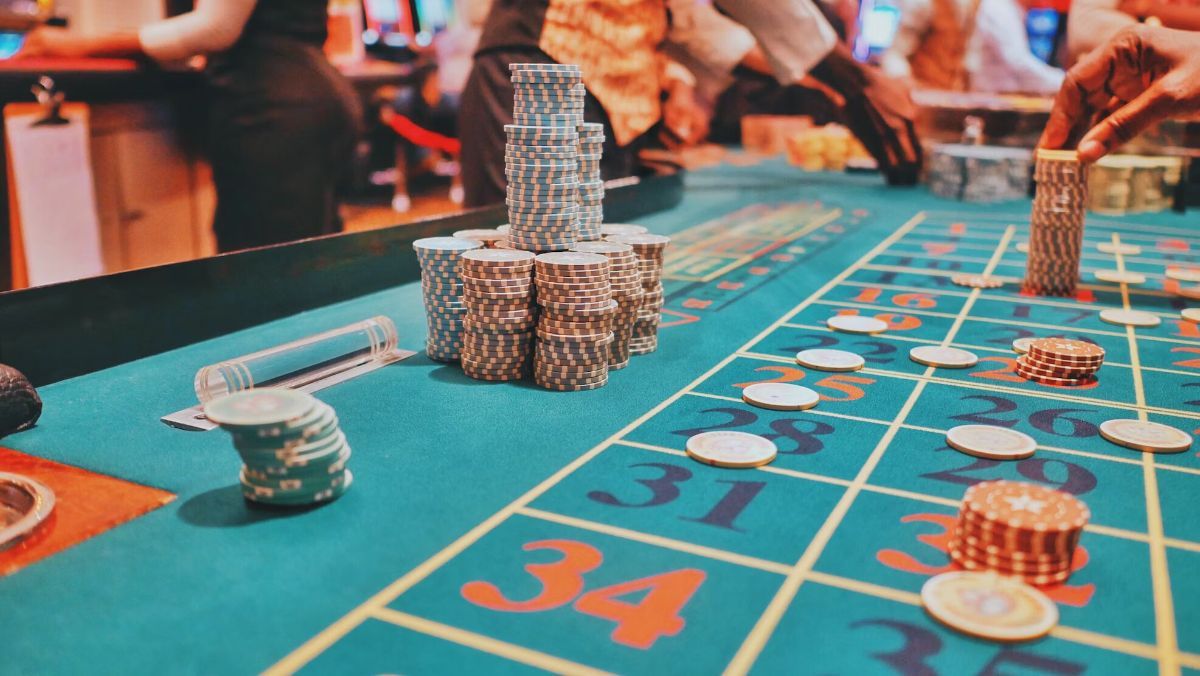
Moreover, the environment within casinos is meticulously crafted to enhance this experience. From the bright lights and captivating sounds to the intoxicating atmosphere, casinos create a sensory overload that heightens emotional arousal. This combination of excitement and sensory engagement not only draws individuals in but also encourages prolonged interaction with the games being offered.
The Role of Cognitive Biases
Cognitive biases play a significant role in gambling behavior, influencing how players perceive risk and reward. One prevalent bias is the illusion of control, where individuals believe they have more influence over the outcome than they actually do. This can lead gamblers to feel empowered when making bets, falsely reassuring them that their choices will yield success.
Another common cognitive distortion is the gambler’s fallacy, where players believe that past results affect future outcomes. For example, someone might think a slot machine is “due” for a win after a string of losses. These psychological traps can result in continued gambling, despite the logical understanding that each event is independent and random.
Emotional Factors Driving Gambling
Emotions are powerful drivers behind gambling behavior. Many individuals gamble to escape from negative feelings, using the activity as a form of self-medication. Whether dealing with stress, loneliness, or anxiety, the excitement of gambling can provide temporary relief or distraction. This emotional connection can create a cycle where individuals continue to gamble despite adverse consequences in their lives.
In addition, winning can trigger a significant boost in mood, reinforcing the behavior even further. The reward system in the brain is activated, releasing dopamine and creating feelings of pleasure. This reinforces the idea that gambling can lead to positive emotional states, further entrenching the cycle of gambling and potentially leading to problematic behaviors.
The Social Aspect of Gambling
Gambling is often a social activity, providing a communal experience that enhances enjoyment. Many people gamble with friends or family, which can strengthen bonds and create shared memories. The social nature of gambling allows individuals to engage with others, adding a layer of enjoyment that goes beyond merely playing games.
This social aspect can lead to a supportive environment for gamblers, where they encourage one another to take risks or celebrate wins together. However, it can also lead to peer pressure or a normalization of gambling behaviors, making it harder for individuals to recognize when their habits may be becoming problematic.

Understanding Responsible Gambling and Available Resources
It is essential to approach gambling with a sense of awareness and responsibility. Many online platforms offer resources and tools aimed at promoting safe gambling practices. These include self-assessment quizzes, budgeting tools, and limits on spending to help individuals maintain control over their gambling habits.
For those seeking further assistance, many organizations provide support for individuals struggling with gambling-related issues. Understanding the psychology behind gambling can empower individuals to make informed choices and seek help when necessary, ensuring that the thrill of gaming remains an enjoyable experience rather than a detrimental habit.